
We drove straight from Gurgaon to Bhangarh Fort, bravely merging breakfast with lunch. Somewhere on the highway we stopped for mixed veg paranthas with raita — because if you’re heading to India’s most haunted place, it’s best to go well-fed. Ghosts are scary, hunger is scarier.
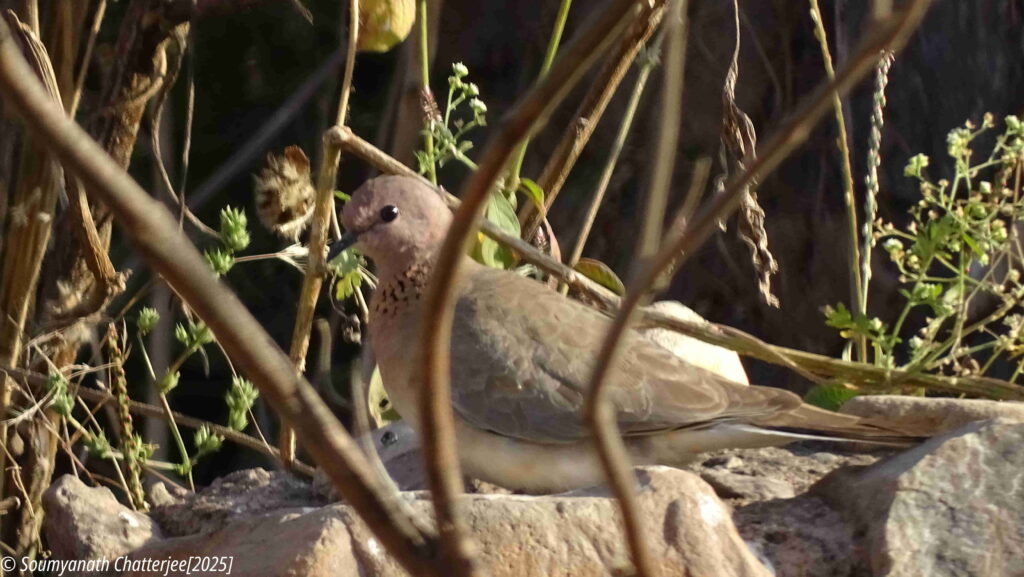
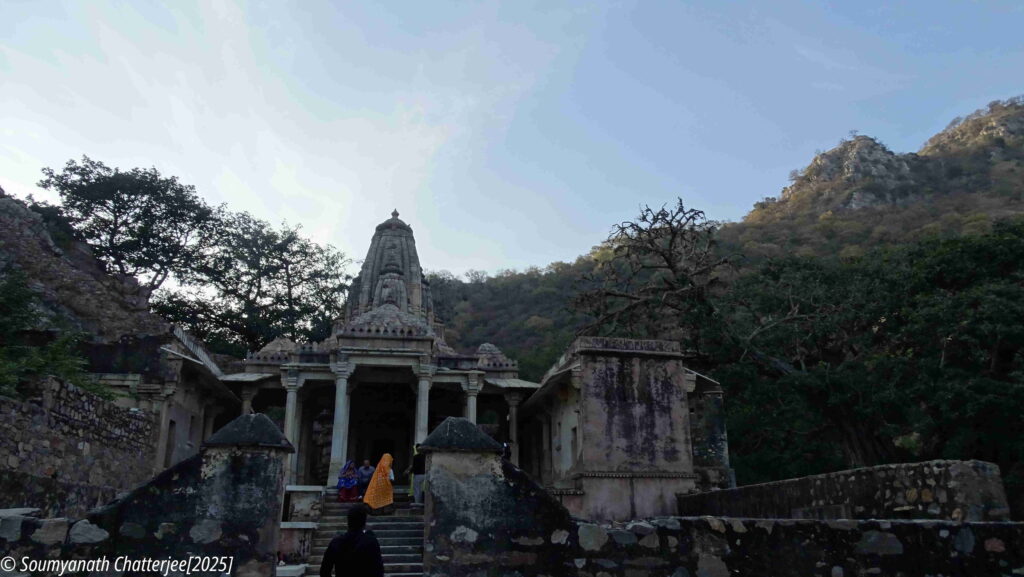
Bhangarh Fort proudly carries the title of India’s Most Haunted Place™. As we entered, the first thing we saw was a Hunuman Temple. Now, in Bengal, there’s a firm belief that Lord Ram is a powerful anti-ghost vaccine. Honestly, a Shiva or Kali temple might have blended better with the overall ghost-and-demon theme, but perhaps the fort management wanted a powerful spiritual crowd control.
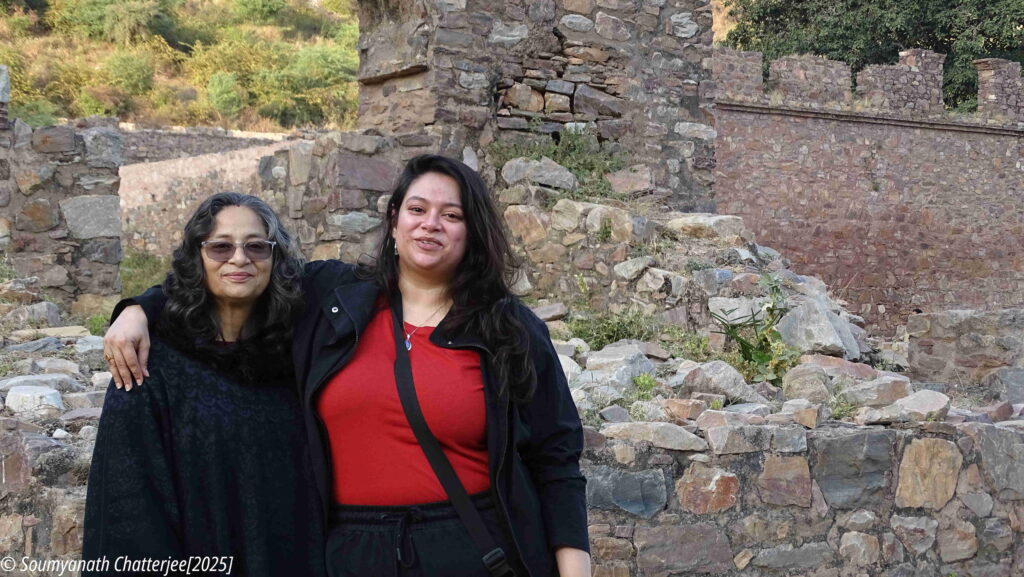
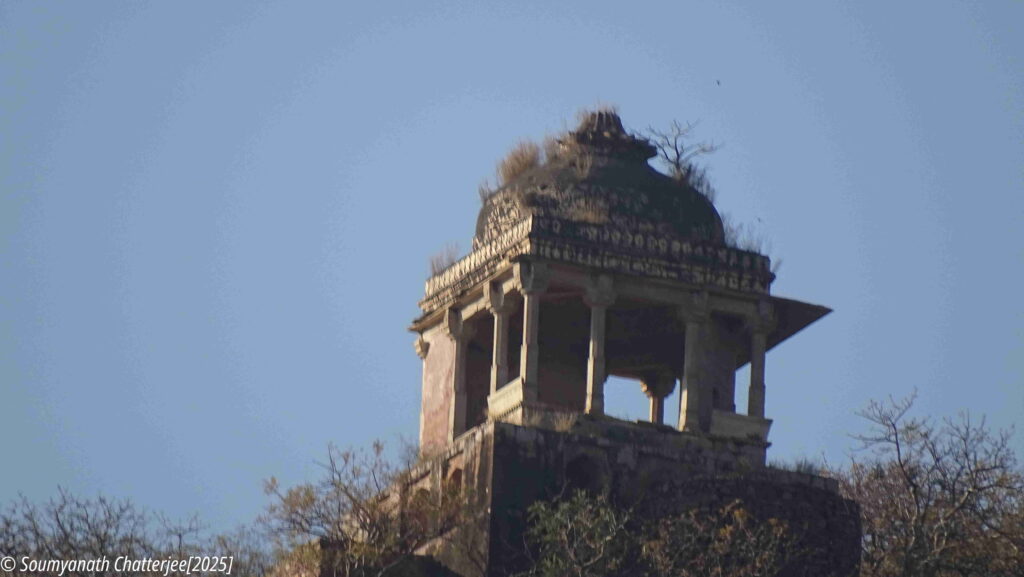
Interestingly, the fort itself looks as if it never faced a serious war — at least not from humans. Large parts remain intact, suggesting that even invading armies may have been spooked. Built in the 16th century in Rajasthan, Bhangarh was established during the reign of Bhagwant Das as the residence of his second son, Madho Singh. The fort has multiple layers of fortification and is naturally protected by hills on three sides. A watchtower crowns the hilltop, which local guides enthusiastically claim was once the residence of a tantrik priest—because every haunted fort needs at least one tantrik for credibility.
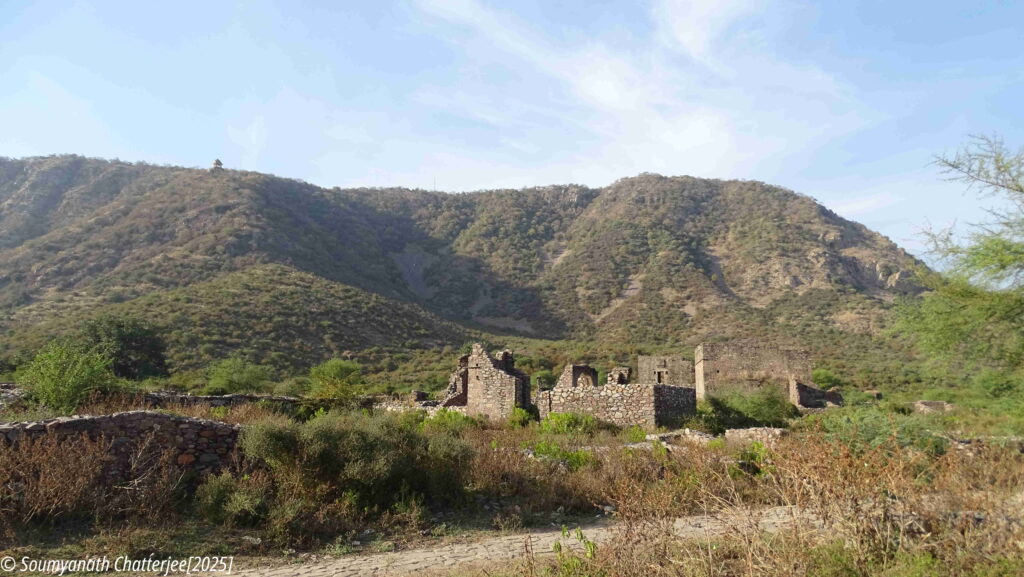
The first layer of the fort housed the bazaar and the residences of courtesans. Sadly, time and weather have done what ghosts couldn’t, leaving much of it in ruins. Still, if you squint hard enough (and maybe ignore the ASI signboards), you can almost hear shopkeepers shouting discounts.
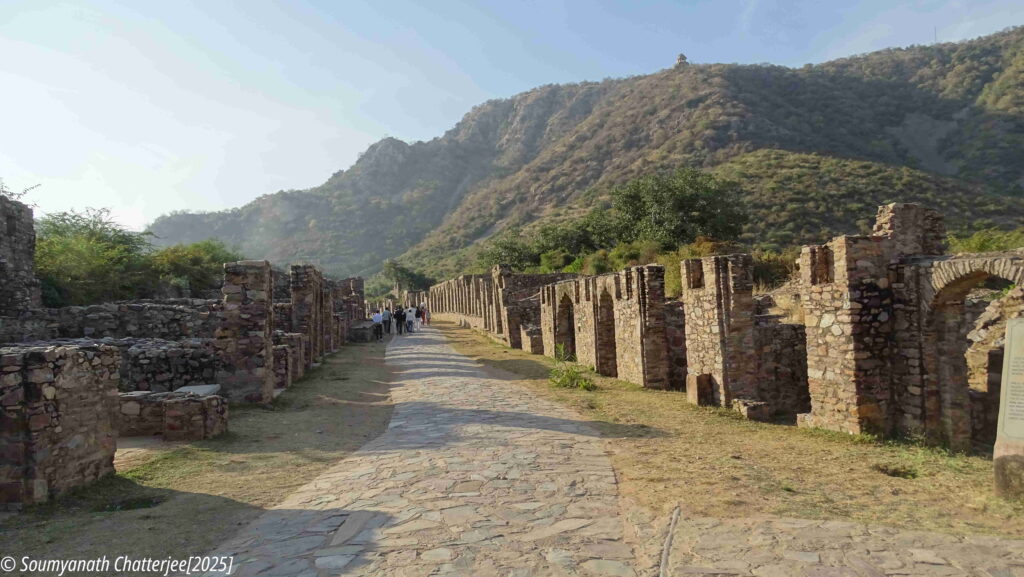
Of course, no haunted place survives on architecture alone — it needs legends. Bhangarh has two, both excellent.
The first involves a sadhu named Baba Balau Nath. Before Madho Singh decided to build a fort here, Baba Balau Nath was peacefully meditating on the site. He allowed construction on one condition: no building should be taller than his house. Also, if any shadow from the fort fell on his home, the entire town would be destroyed. A reasonable request, really. Unfortunately, Ajab Singh, Madho Singh’s grandson, decided height restrictions were optional. He built higher, the shadow fell, and — according to legend — the town met its doom. Moral of the story: always respect zoning laws, especially when enforced by saints.
The second legend is far more dramatic. Princess Ratnavati was extremely beautiful and had suitors lining up from royal families across the land. A wizard skilled in black magic fell in love with her, because of course he did. One day, while the princess was shopping for ittar, the wizard swapped her perfume with a love potion. Unfortunately for him, the princess was smarter than the average fairytale character. She threw the potion at a nearby boulder, which promptly rolled over and crushed the wizard. With his last breath, he cursed the city — never curse mid-accident, it never ends well. Soon after, Mughal forces invaded, the city was destroyed, and everyone, including the princess, perished.
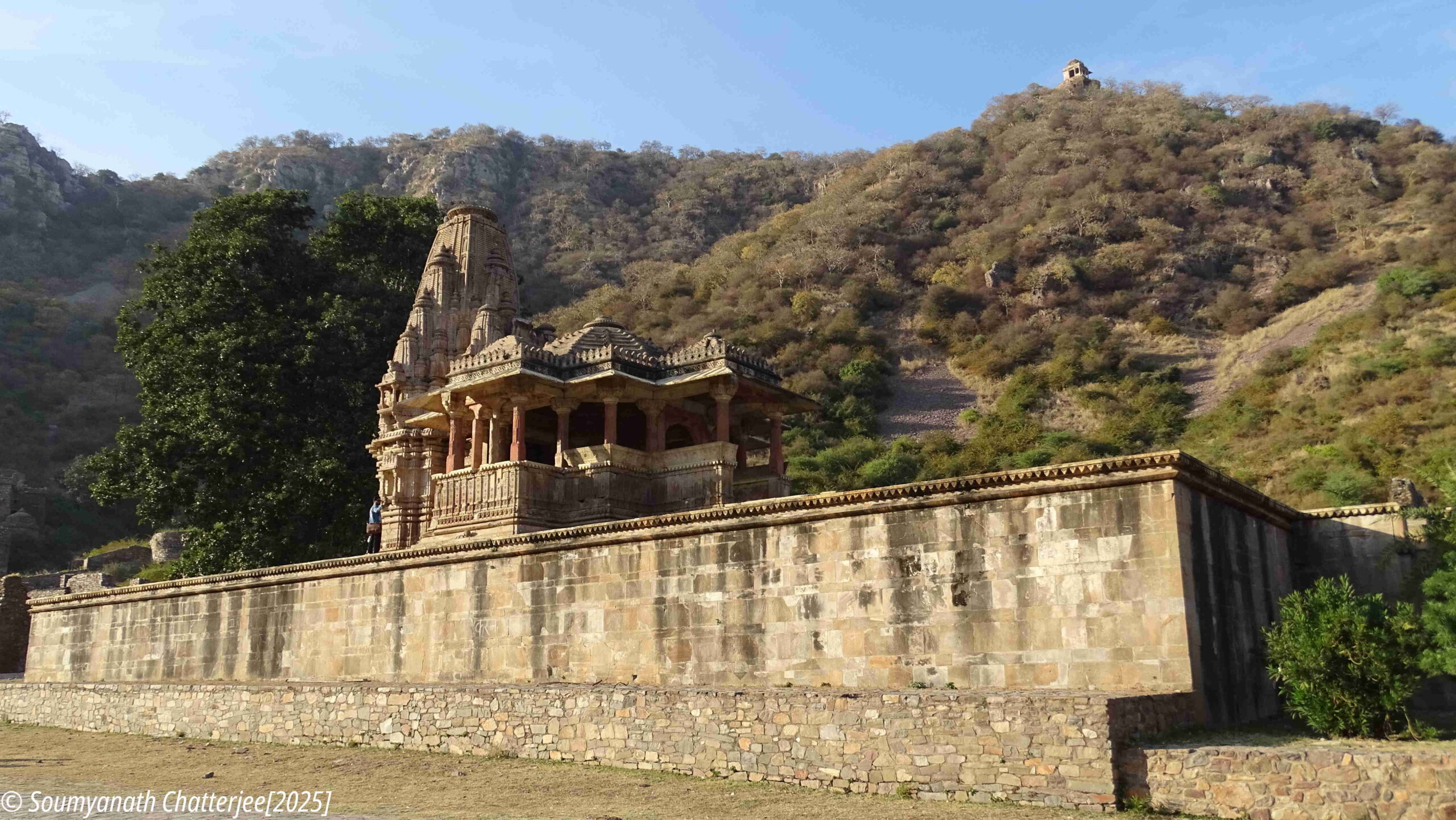
To maintain its haunted reputation, Bhangarh Fort is officially out of bounds before sunrise and after sunset. Because ghosts, like government offices, operate strictly after hours. If you close your eyes during the day, though, you might still imagine the buzz of a once-busy bazaar — or that could just be the wind.
In the second layer of the fort, apparently dissatisfied with human guards alone, Bhagwant Das recruited divine security. This layer contains several temples—Gopinath, Someshwar, Keshav Rai, Mangla Devi, and Ganesh — beautiful examples of 17th-century Nagara architecture. The Gopinath Temple stands on a 14-foot-high plinth with exquisite stone carvings and even has a priest’s residence, the Purohitji Ki Haveli. A small rill trickles down from the hill, feeding a pond near the Someshwar Temple — serene, scenic, and probably ghost-approved.
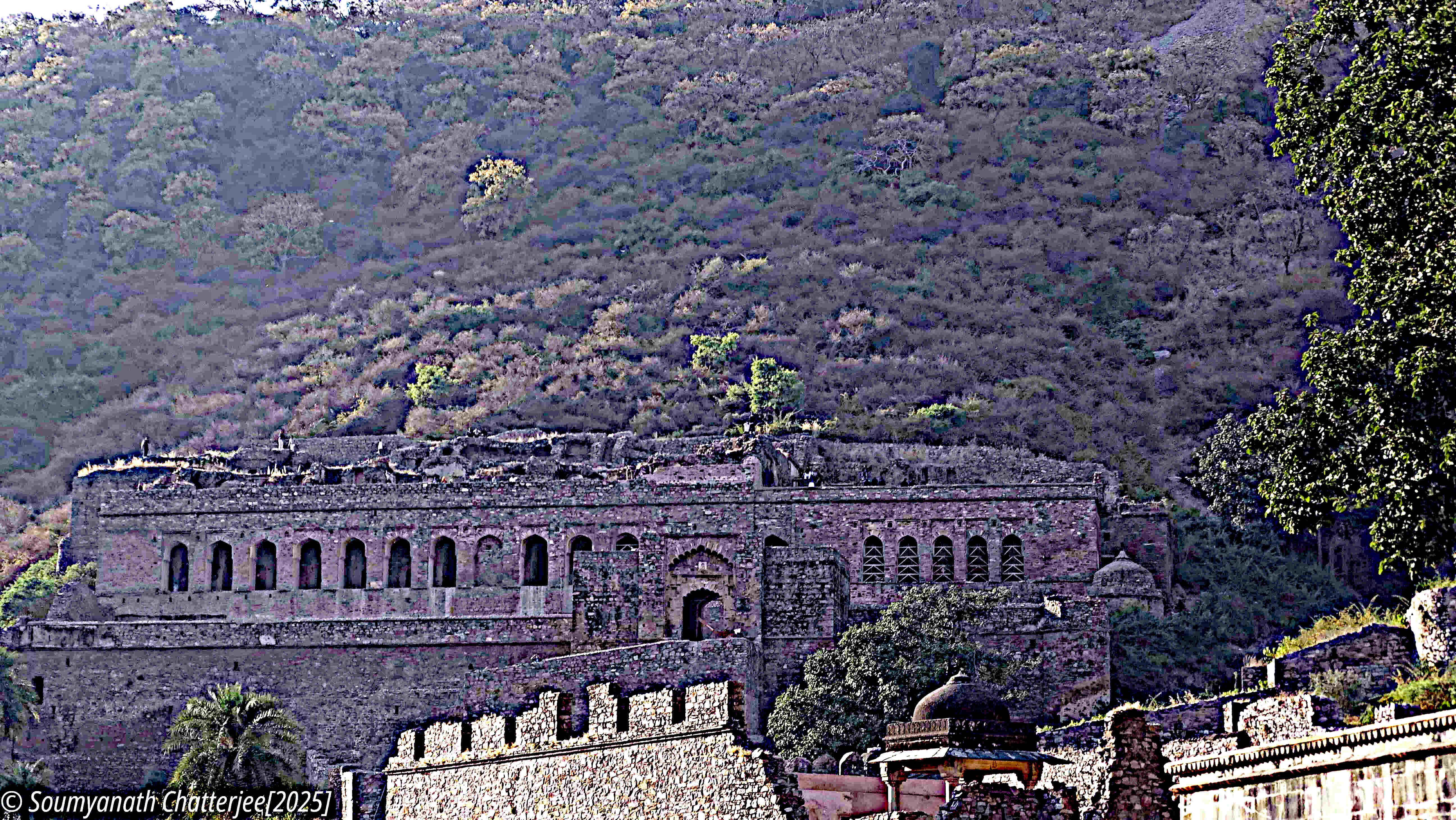
The third layer houses the royal palace, once said to have seven storeys, though only four remain today. Perched high on the hill, it commands a magnificent view of the entire complex and the surrounding landscape — a perfect vantage point to watch approaching enemies, or perhaps to keep an eye on incoming curses.
Walking through the markets and ruins, one thought haunted me more than ghosts or demons: water. How did a city that housed thousands survive on a tiny rill and a small pond? These might sustain a few hundred soldiers, but an entire town? Unlikely.
And that realization, perhaps, is the real curse of Bhangarh. Ignore nature, overuse resources, and even the grandest cities turn into ghost towns — no black magic required.